CREATE A PROFESSIONAL VISUAL IDENTITY GUIDELINE FOR THE MERCEDARIAN EDUCATIONAL NETWORK.

Act as a SENIOR ART DIRECTOR and BRAND IDENTITY DESIGNER specialized in institutional branding, education, faith-based organizations, visual communication, and editorial design.

The final result must look like it was developed by a PROFESSIONAL BRANDING AGENCY for an established educational network — NOT like a generic Canva template or an AI-generated logo presentation.

BRAND:

MERCEDARIAN EDUCATIONAL NETWORK

CORE IDEA:

"An educational network committed to educating for freedom, forming whole human beings through faith, knowledge, service, innovation, and care."

The visual identity must communicate:

* Education
* Faith
* Freedom
* Integral human formation
* Innovation
* Community
* Service
* Care and protection
* Mercedarian heritage
* Contemporary education
* Human development
* Unity among educational institutions

CREATIVE DIRECTION:

The identity must balance MERCEDARIAN HERITAGE with CONTEMPORARY EDUCATION.

It should feel:

ELEGANT + HUMAN + EDUCATIONAL + INSTITUTIONAL + CONTEMPORARY + SPIRITUAL + INCLUSIVE.

Avoid making the identity look excessively religious, old-fashioned, ornamental, conservative, or visually rigid.

The result should communicate a modern educational institution while preserving the historical and spiritual character of the Mercedarian tradition.

---

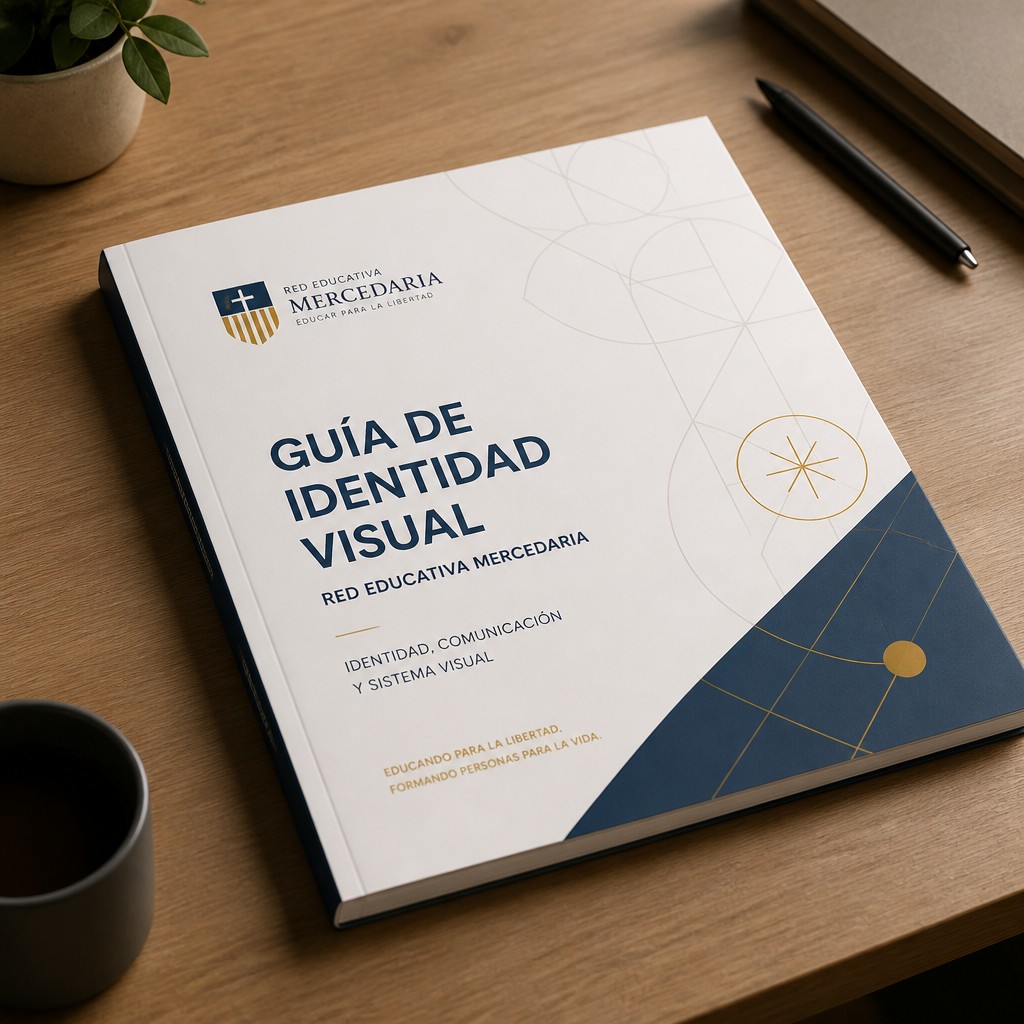
1. COVER

---

Create a sophisticated editorial cover for:

"VISUAL IDENTITY GUIDELINES
MERCEDARIAN EDUCATIONAL NETWORK"

Subtitle:

"Identity, Communication and Visual System"

Use a premium institutional editorial composition with:

* Strong typography
* Generous negative space
* Precise alignment
* Sophisticated visual hierarchy
* Subtle graphic elements
* Consistent brand language

The cover should immediately communicate that this is an official institutional brand guideline.

---

2. BRAND ESSENCE

---

Define the visual and conceptual foundation of the brand.

Include:

* Brand purpose
* Communication mission
* Brand personality
* Core values
* Brand archetype
* Key emotional attributes
* Visual keywords
* Brand promise

Translate these concepts into visual elements rather than presenting them only as text.

Suggested conceptual territory:

FAITH
EDUCATION
FREEDOM
COMMUNITY
KNOWLEDGE
SERVICE
CARE
INNOVATION
FUTURE

---

3. VISUAL TERRITORY

---

Develop a distinctive visual territory based on the relationship between:

FAITH + EDUCATION + FREEDOM + COMMUNITY + KNOWLEDGE + FUTURE.

Explore visual concepts that can become a recognizable graphic system:

* Lines
* Geometric forms
* Modular structures
* Frames
* Patterns
* Symbols
* Abstract shapes
* Paths or visual connections
* Dynamic compositions

The visual language should suggest connection, growth, learning, freedom, and community.

DO NOT rely heavily on generic religious symbols.

The identity should be recognizable even when the logo is not present.

---

4. LOGO / BRAND MARK

---

If an official logo, emblem, coat of arms, or symbol is provided, PRESERVE IT.

DO NOT arbitrarily redesign, distort, simplify, replace, or reinterpret the official institutional symbol.

Show:

* Primary logo
* Horizontal version
* Vertical version
* Monochrome version
* Light-background version
* Dark-background version
* Clear space
* Minimum size
* Correct usage
* Incorrect usage

If no official logo is provided, use a neutral placeholder instead of inventing an official emblem.

The purpose of this guideline is to build the VISUAL SYSTEM around the existing institutional identity.

---

5. COLOR SYSTEM

---

Develop a sophisticated institutional color palette inspired by Mercedarian heritage but interpreted through a contemporary educational lens.

Include:

* Primary brand color
* Secondary brand colors
* Supporting colors
* Accent colors
* Neutral colors
* Background colors

The palette must work across:

* Print
* Digital media
* Social media
* Presentations
* Signage
* Educational materials
* Institutional documents

Avoid excessive saturation.

Show each color with:

HEX
RGB
CMYK
Approximate Pantone reference when possible.

Demonstrate color combinations and accessibility-conscious usage.

---

6. TYPOGRAPHY SYSTEM

---

Create a professional typography system using fonts that are freely available and practical for:

* Adobe Creative Cloud
* Microsoft Office
* Google Workspace
* Web platforms
* Presentations
* Institutional documents

Define:

* Primary typeface
* Secondary typeface
* Display typography
* Headings
* Subheadings
* Body text
* Captions
* Numbers
* Quotes
* Highlight text

Show realistic examples of typography hierarchy.

The typography must communicate:

INSTITUTIONAL + MODERN + HUMAN + EDUCATIONAL + TRUSTWORTHY.

Avoid childish or overly decorative fonts.

---

7. GRAPHIC SYSTEM

---

Create a distinctive graphic language that can be consistently applied across the entire network.

Develop:

* Graphic shapes
* Lines
* Frames
* Patterns
* Textures
* Containers
* Visual dividers
* Background systems
* Modular compositions
* Decorative elements

The system must allow different schools and institutions within the network to feel like part of ONE BRAND FAMILY while maintaining their own identity.

The graphic system should be recognizable independently from the logo.

---

8. ICONOGRAPHY

---

Develop a coherent institutional icon system.

Categories:

* Education
* Faith
* Community
* Innovation
* Technology
* Culture
* Sports
* Pastoral care
* Well-being
* Service
* Freedom

Use a consistent:

* Stroke width
* Geometry
* Corner radius
* Proportion
* Visual weight

The icons must be minimalist, professional, accessible, and scalable.

---

9. PHOTOGRAPHY DIRECTION

---

Establish a professional photography style.

Photography should focus on:

* Real students
* Teachers
* Families
* Community
* Learning
* Collaboration
* Faith in everyday life
* Service
* Technology
* Sports
* Arts
* Educational environments

Photography should feel:

HUMAN
AUTHENTIC
NATURAL
BRIGHT
EMOTIONAL
EDUCATIONAL
DYNAMIC

Avoid:

* Obvious stock photography
* Excessively staged poses
* Artificial smiles
* Generic religious imagery
* Overly dramatic lighting
* Unrealistic AI-generated faces

The photography should show EDUCATION AS A LIVED EXPERIENCE.

---

10. LAYOUT AND COMPOSITION

---

Define professional composition rules for:

* Social media
* Posters
* Presentations
* Institutional documents
* Announcements
* Banners
* Digital campaigns
* Video graphics
* Signage

Establish:

* Grid system
* Margins
* Alignment
* Spacing
* Visual hierarchy
* Image-to-text ratio
* Logo placement
* Typography hierarchy

Prioritize generous breathing room and clear visual communication.

---

11. SOCIAL MEDIA SYSTEM

---

Create professional examples for:

* Instagram posts
* Facebook posts
* Stories
* Reels
* Institutional announcements
* Educational campaigns
* Events
* Inspirational messages
* Pastoral communications
* School achievements
* Community content

All pieces must clearly belong to the same visual identity.

Avoid making the social media system look like a collection of unrelated templates.

---

12. STATIONERY

---

Create premium realistic applications for:

* Letterhead
* Business cards
* Envelopes
* Institutional folders
* ID cards
* Certificates
* Notebooks
* Planners
* Official documents

Use realistic materials, lighting, shadows, perspective, and print finishes.

---

13. EDUCATIONAL ENVIRONMENT

---

Show the identity applied to:

* School facades
* Interior signage
* Classrooms
* Libraries
* Pastoral spaces
* Information boards
* Educational materials
* Student uniforms
* Staff uniforms
* Campus wayfinding

The applications must feel realistic and appropriate for educational institutions.

---

14. EVENTS AND CAMPAIGNS

---

Develop examples for:

* Educational conferences
* Teacher training
* Religious celebrations
* Institutional campaigns
* Educational programs
* Pastoral events
* Sports events
* Cultural activities
* Community events

The system should demonstrate how the identity can adapt to different communication needs without losing consistency.

---

15. BRAND ARCHITECTURE

---

Create a clear visual architecture for the network.

Structure:

MERCEDARIAN EDUCATIONAL NETWORK
↓
EDUCATIONAL INSTITUTIONS
↓
PROGRAMS / PROJECTS
↓
EVENTS / CAMPAIGNS

Develop a system that allows each institution, program, and campaign to have its own visual expression while remaining clearly connected to the parent brand.

Avoid visual fragmentation.

---

16. MOCKUPS

---

Create high-end photorealistic mockups showing the complete visual identity system applied to:

* Stationery
* School facade
* Student uniform
* Staff uniform
* ID card
* Notebook
* Social media
* Institutional banner
* Wayfinding signage
* Digital presentation
* Educational event
* Conference materials
* Promotional materials

Mockups must look like REAL PROFESSIONAL PHOTOGRAPHY.

Use:

* Natural lighting
* Realistic materials
* Accurate shadows
* Correct perspective
* Realistic proportions
* Premium editorial photography
* Professional art direction

Avoid obviously AI-generated mockups.

---

## ART DIRECTION

Overall aesthetic:

EDITORIAL
+
INSTITUTIONAL
+
EDUCATIONAL
+
CONTEMPORARY
+
HUMAN
+
SPIRITUAL
+
TIMELESS

The identity should feel sophisticated enough for an international educational organization while remaining warm and accessible to students, families, teachers, and communities.

DO NOT USE:

* Generic Canva-style layouts
* Excessive gradients
* Neon colors
* Excessive 3D effects
* Futuristic startup aesthetics
* Childish typography
* Excessive religious ornamentation
* Generic church imagery
* Overcrowded compositions
* Random decorative elements
* Artificial-looking mockups

* Unnecessary visual effects

---

## FINAL OBJECTIVE

The final result must look like a PROFESSIONAL BRAND GUIDELINE BOOK created by an international branding and design agency.

The objective is NOT simply to create a logo.

The objective is to create a COMPLETE, COHERENT, FLEXIBLE AND SCALABLE VISUAL IDENTITY SYSTEM for the MERCEDARIAN EDUCATIONAL NETWORK.

The system must be capable of functioning consistently across multiple educational institutions, countries, schools, programs, events, digital platforms, printed materials, uniforms, architecture, signage, and educational communications.

The final visual language must communicate one fundamental idea:

"EDUCATING FOR FREEDOM, FORMING PEOPLE FOR LIFE."
all in spanish

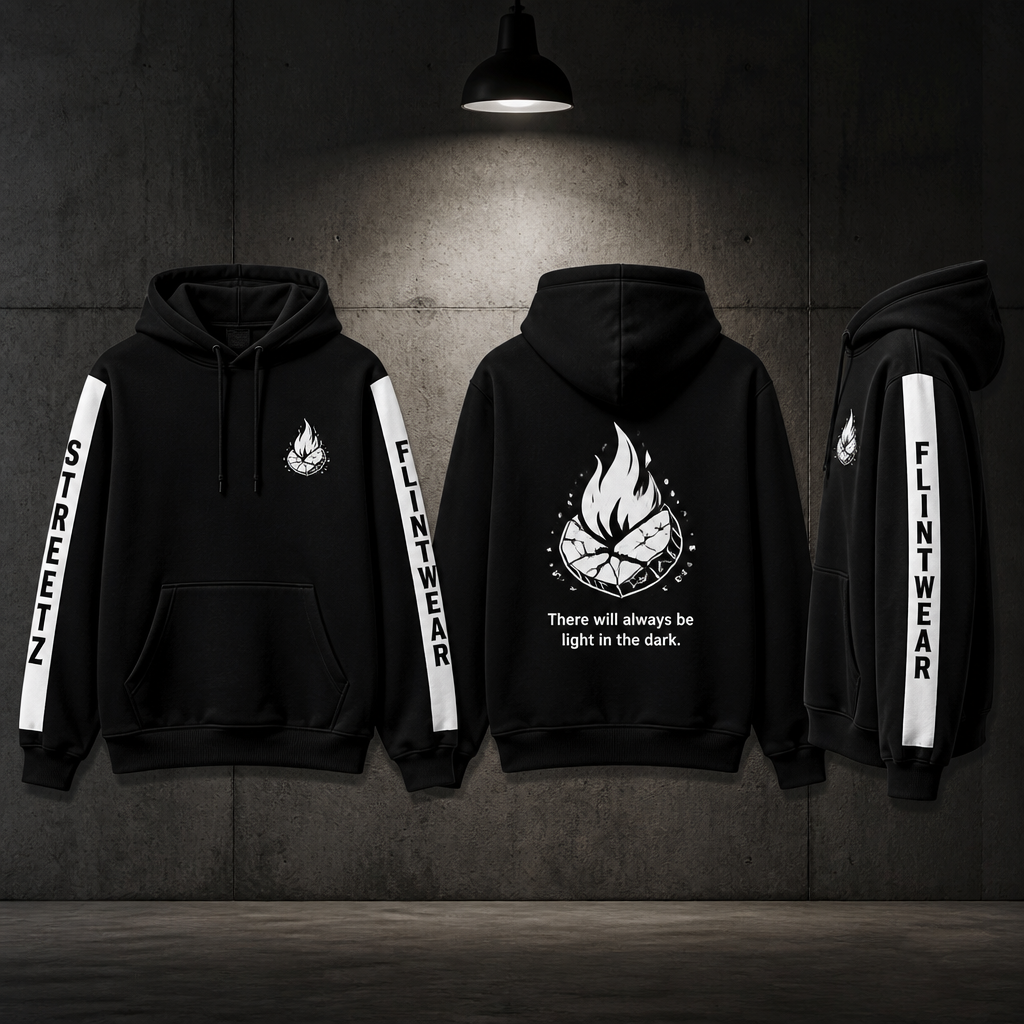
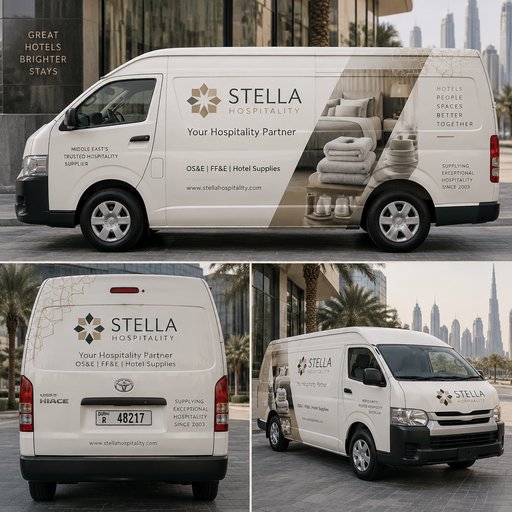
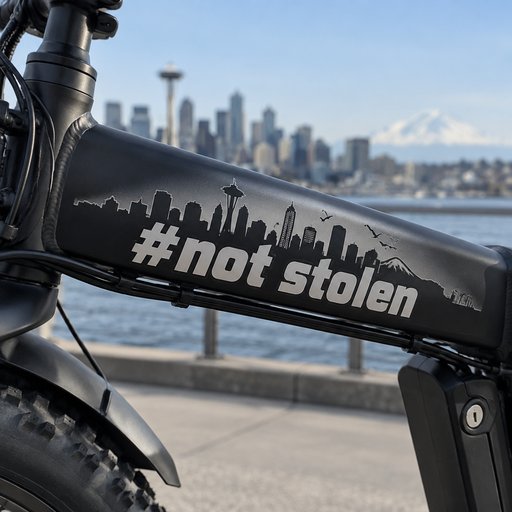
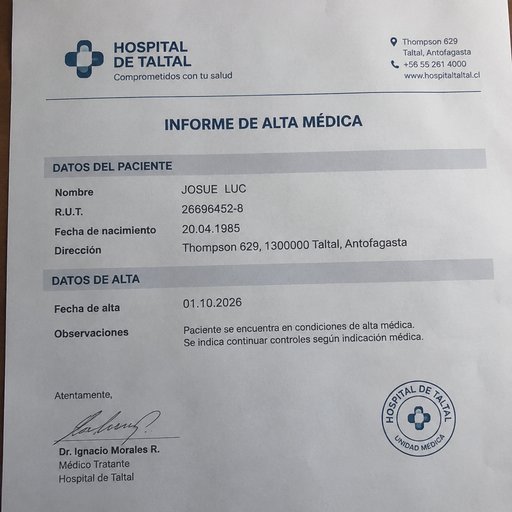
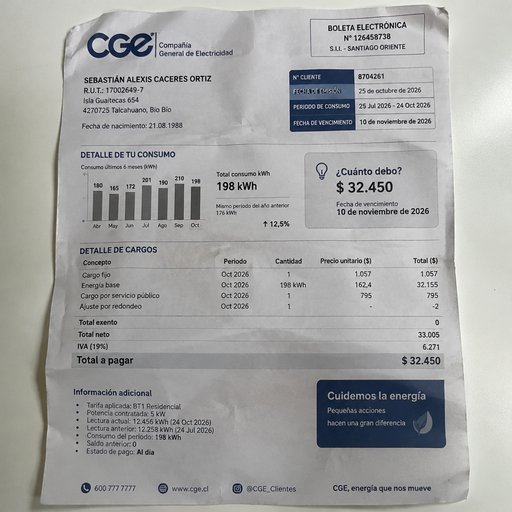
AI-generated mockup

CREATE A PROFESSIONAL VISUAL IDENTITY GUIDELINE FOR THE MERCEDARIAN EDUCATIONAL NETWORK. Act as a SENIOR ART DIRECTOR and BRAND IDENTITY DESIGNER specialized in institutional branding, education, faith-based organizations, visual communication, and editorial design. The final result must look like it was developed by a PROFESSIONAL BRANDING AGENCY for an established educational network — NOT like a generic Canva template or an AI-generated logo presentation. BRAND: MERCEDARIAN EDUCATIONAL NETWORK CORE IDEA: "An educational network committed to educating for freedom, forming whole human beings through faith, knowledge, service, innovation, and care." The visual identity must communicate: * Education * Faith * Freedom * Integral human formation * Innovation * Community * Service * Care and protection * Mercedarian heritage * Contemporary education * Human development * Unity among educational institutions CREATIVE DIRECTION: The identity must balance MERCEDARIAN HERITAGE with CONTEMPORARY EDUCATION. It should feel: ELEGANT + HUMAN + EDUCATIONAL + INSTITUTIONAL + CONTEMPORARY + SPIRITUAL + INCLUSIVE. Avoid making the identity look excessively religious, old-fashioned, ornamental, conservative, or visually rigid. The result should communicate a modern educational institution while preserving the historical and spiritual character of the Mercedarian tradition. --- 1. COVER --- Create a sophisticated editorial cover for: "VISUAL IDENTITY GUIDELINES MERCEDARIAN EDUCATIONAL NETWORK" Subtitle: "Identity, Communication and Visual System" Use a premium institutional editorial composition with: * Strong typography * Generous negative space * Precise alignment * Sophisticated visual hierarchy * Subtle graphic elements * Consistent brand language The cover should immediately communicate that this is an official institutional brand guideline. --- 2. BRAND ESSENCE --- Define the visual and conceptual foundation of the brand. Include: * Brand purpose * Communication mission * Brand personality * Core values * Brand archetype * Key emotional attributes * Visual keywords * Brand promise Translate these concepts into visual elements rather than presenting them only as text. Suggested conceptual territory: FAITH EDUCATION FREEDOM COMMUNITY KNOWLEDGE SERVICE CARE INNOVATION FUTURE --- 3. VISUAL TERRITORY --- Develop a distinctive visual territory based on the relationship between: FAITH + EDUCATION + FREEDOM + COMMUNITY + KNOWLEDGE + FUTURE. Explore visual concepts that can become a recognizable graphic system: * Lines * Geometric forms * Modular structures * Frames * Patterns * Symbols * Abstract shapes * Paths or visual connections * Dynamic compositions The visual language should suggest connection, growth, learning, freedom, and community. DO NOT rely heavily on generic religious symbols. The identity should be recognizable even when the logo is not present. --- 4. LOGO / BRAND MARK --- If an official logo, emblem, coat of arms, or symbol is provided, PRESERVE IT. DO NOT arbitrarily redesign, distort, simplify, replace, or reinterpret the official institutional symbol. Show: * Primary logo * Horizontal version * Vertical version * Monochrome version * Light-background version * Dark-background version * Clear space * Minimum size * Correct usage * Incorrect usage If no official logo is provided, use a neutral placeholder instead of inventing an official emblem. The purpose of this guideline is to build the VISUAL SYSTEM around the existing institutional identity. --- 5. COLOR SYSTEM --- Develop a sophisticated institutional color palette inspired by Mercedarian heritage but interpreted through a contemporary educational lens. Include: * Primary brand color * Secondary brand colors * Supporting colors * Accent colors * Neutral colors * Background colors The palette must work across: * Print * Digital media * Social media * Presentations * Signage * Educational materials * Institutional documents Avoid excessive saturation. Show each color with: HEX RGB CMYK Approximate Pantone reference when possible. Demonstrate color combinations and accessibility-conscious usage. --- 6. TYPOGRAPHY SYSTEM --- Create a professional typography system using fonts that are freely available and practical for: * Adobe Creative Cloud * Microsoft Office * Google Workspace * Web platforms * Presentations * Institutional documents Define: * Primary typeface * Secondary typeface * Display typography * Headings * Subheadings * Body text * Captions * Numbers * Quotes * Highlight text Show realistic examples of typography hierarchy. The typography must communicate: INSTITUTIONAL + MODERN + HUMAN + EDUCATIONAL + TRUSTWORTHY. Avoid childish or overly decorative fonts. --- 7. GRAPHIC SYSTEM --- Create a distinctive graphic language that can be consistently applied across the entire network. Develop: * Graphic shapes * Lines * Frames * Patterns * Textures * Containers * Visual dividers * Background systems * Modular compositions * Decorative elements The system must allow different schools and institutions within the network to feel like part of ONE BRAND FAMILY while maintaining their own identity. The graphic system should be recognizable independently from the logo. --- 8. ICONOGRAPHY --- Develop a coherent institutional icon system. Categories: * Education * Faith * Community * Innovation * Technology * Culture * Sports * Pastoral care * Well-being * Service * Freedom Use a consistent: * Stroke width * Geometry * Corner radius * Proportion * Visual weight The icons must be minimalist, professional, accessible, and scalable. --- 9. PHOTOGRAPHY DIRECTION --- Establish a professional photography style. Photography should focus on: * Real students * Teachers * Families * Community * Learning * Collaboration * Faith in everyday life * Service * Technology * Sports * Arts * Educational environments Photography should feel: HUMAN AUTHENTIC NATURAL BRIGHT EMOTIONAL EDUCATIONAL DYNAMIC Avoid: * Obvious stock photography * Excessively staged poses * Artificial smiles * Generic religious imagery * Overly dramatic lighting * Unrealistic AI-generated faces The photography should show EDUCATION AS A LIVED EXPERIENCE. --- 10. LAYOUT AND COMPOSITION --- Define professional composition rules for: * Social media * Posters * Presentations * Institutional documents * Announcements * Banners * Digital campaigns * Video graphics * Signage Establish: * Grid system * Margins * Alignment * Spacing * Visual hierarchy * Image-to-text ratio * Logo placement * Typography hierarchy Prioritize generous breathing room and clear visual communication. --- 11. SOCIAL MEDIA SYSTEM --- Create professional examples for: * Instagram posts * Facebook posts * Stories * Reels * Institutional announcements * Educational campaigns * Events * Inspirational messages * Pastoral communications * School achievements * Community content All pieces must clearly belong to the same visual identity. Avoid making the social media system look like a collection of unrelated templates. --- 12. STATIONERY --- Create premium realistic applications for: * Letterhead * Business cards * Envelopes * Institutional folders * ID cards * Certificates * Notebooks * Planners * Official documents Use realistic materials, lighting, shadows, perspective, and print finishes. --- 13. EDUCATIONAL ENVIRONMENT --- Show the identity applied to: * School facades * Interior signage * Classrooms * Libraries * Pastoral spaces * Information boards * Educational materials * Student uniforms * Staff uniforms * Campus wayfinding The applications must feel realistic and appropriate for educational institutions. --- 14. EVENTS AND CAMPAIGNS --- Develop examples for: * Educational conferences * Teacher training * Religious celebrations * Institutional campaigns * Educational programs * Pastoral events * Sports events * Cultural activities * Community events The system should demonstrate how the identity can adapt to different communication needs without losing consistency. --- 15. BRAND ARCHITECTURE --- Create a clear visual architecture for the network. Structure: MERCEDARIAN EDUCATIONAL NETWORK ↓ EDUCATIONAL INSTITUTIONS ↓ PROGRAMS / PROJECTS ↓ EVENTS / CAMPAIGNS Develop a system that allows each institution, program, and campaign to have its own visual expression while remaining clearly connected to the parent brand. Avoid visual fragmentation. --- 16. MOCKUPS --- Create high-end photorealistic mockups showing the complete visual identity system applied to: * Stationery * School facade * Student uniform * Staff uniform * ID card * Notebook * Social media * Institutional banner * Wayfinding signage * Digital presentation * Educational event * Conference materials * Promotional materials Mockups must look like REAL PROFESSIONAL PHOTOGRAPHY. Use: * Natural lighting * Realistic materials * Accurate shadows * Correct perspective * Realistic proportions * Premium editorial photography * Professional art direction Avoid obviously AI-generated mockups. --- ## ART DIRECTION Overall aesthetic: EDITORIAL + INSTITUTIONAL + EDUCATIONAL + CONTEMPORARY + HUMAN + SPIRITUAL + TIMELESS The identity should feel sophisticated enough for an international educational organization while remaining warm and accessible to students, families, teachers, and communities. DO NOT USE: * Generic Canva-style layouts * Excessive gradients * Neon colors * Excessive 3D effects * Futuristic startup aesthetics * Childish typography * Excessive religious ornamentation * Generic church imagery * Overcrowded compositions * Random decorative elements * Artificial-looking mockups * Unnecessary visual effects --- ## FINAL OBJECTIVE The final result must look like a PROFESSIONAL BRAND GUIDELINE BOOK created by an international branding and design agency. The objective is NOT simply to create a logo. The objective is to create a COMPLETE, COHERENT, FLEXIBLE AND SCALABLE VISUAL IDENTITY SYSTEM for the MERCEDARIAN EDUCATIONAL NETWORK. The system must be capable of functioning consistently across multiple educational institutions, countries, schools, programs, events, digital platforms, printed materials, uniforms, architecture, signage, and educational communications. The final visual language must communicate one fundamental idea: "EDUCATING FOR FREEDOM, FORMING PEOPLE FOR LIFE." all in spanish


September 4, 2026

Related

More hoodie mockups